
 Canada
 Français
 Español
 International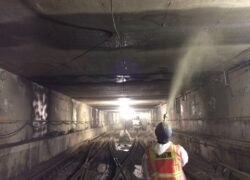
Co-authored by Christian Warren of W. R. MEADOWS. Crystalline cementitious coatings are advanced waterproofing materials designed to protect concrete structures by forming insoluble crystals within the concrete matrix. These crystals block the pathways through which water and other aggressive agents might travel, effectively sealing the concrete from within. Though several manufacturers produce these coatings, identifying when and how to use them properly requires a solid understanding of concrete behavior, application methods, and project requirements. The Science Behind Crystalline Technology Crystalline coatings are typically applied to concrete in slurry or dry-shake form. When moisture is present, proprietary chemicals in the coating…
Blog
Crystalline Waterproofing
Choosing the Right Wastewater Tank Liner: Key Questions
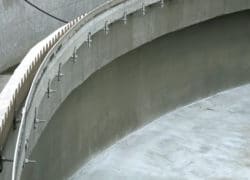
Co-authored by Christian Warren of W. R. MEADOWS. Wastewater tanks are exposed to harsh chemicals, shifting pH levels, abrasion, and environmental stresses. A well-chosen liner helps prevent structural damage, leaks, and non-compliance issues. Key Considerations for Selecting the Right Wastewater Tank Liner What chemicals and concentrations are present? Analyze tank contents—e.g., acidic, alkaline, solvents, or biological waste—to identify liners (crystalline, epoxy, polyurethane, vinyl ester, etc.) with suitable chemical resistance. Testing under real operating conditions is crucial. What is the tank’s material and purpose? Concrete tanks often need flexible, crack-bridging systems (e.g., polyurethane), while steel tanks typically require anti-corrosion coatings such as polyurea…
Rethinking Concrete Protection: The Role of Cementitious and Crystalline Waterproofing
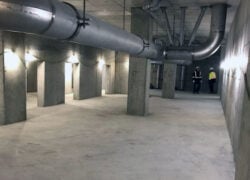
Co-authored by Christian Warren of W. R. MEADOWS. Concrete is one of the most relied-upon materials in construction, used across infrastructure, commercial buildings, and residential projects due to its strength, durability, and versatility. But despite these benefits, concrete is inherently porous, which means it’s vulnerable to water intrusion. Over time, even minor moisture exposure can lead to cracking, corrosion, and structural failure. As the most widely used man-made material on the planet, concrete demands a smarter approach to protection, one that goes beyond traditional surface treatments. That’s where crystalline and cementitious waterproofing systems come in. The Challenge of Concrete’s Porosity…
Crystalline Waterproofing: The Science Behind It & Why It’s Important

Waterproofing is an essential aspect of construction that protects buildings from water damage and moisture-related issues. Concrete, which is a pivotal material in many structures, is porous and will absorb water, waterborne contaminants, and chemicals; all of which will call cause significant and expensive structural damage over time. Not to mention, can lead to mold growth and other health risks to those who work within said buildings/structures. There are multiple ways to waterproof, but Crystalline waterproofing has become a popular technique. Traditional waterproofing methods rely on a barrier system that prevents water from penetrating the surface. However, these systems can…