
 Canada
 Français
 Español
 International
Co-authored by Scott Wolff of W. R. MEADOWS.
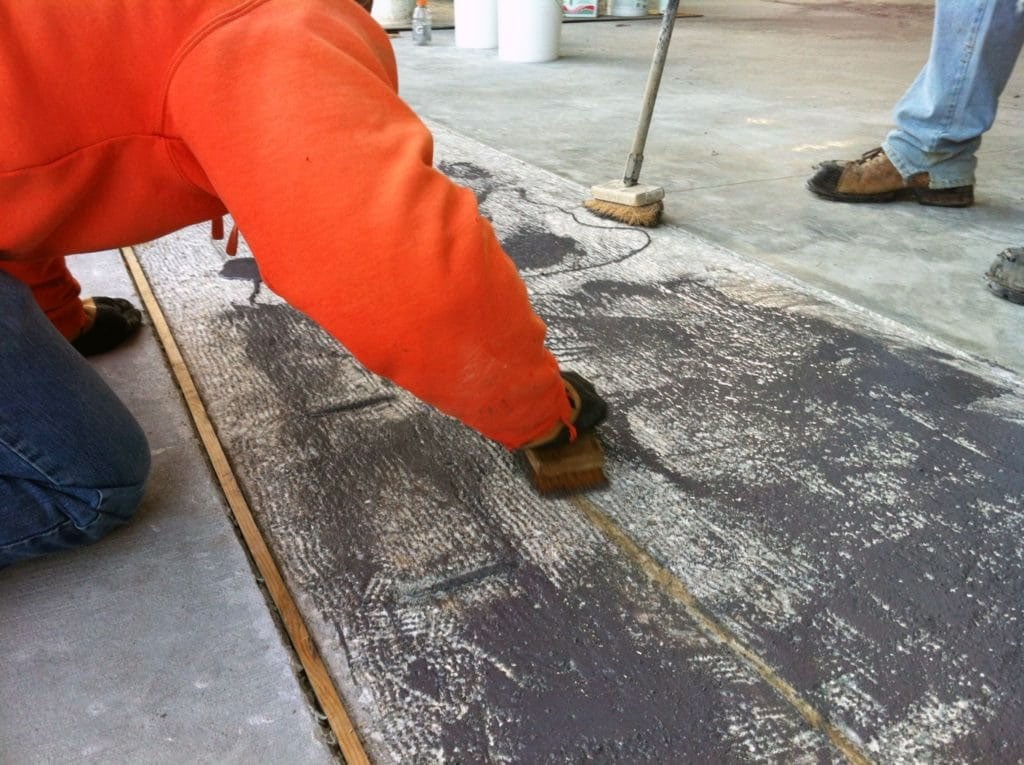
Concrete surface preparation is more than a necessary first step; it’s the foundation for a project’s success. Advanced preparation techniques go beyond basic cleaning and etching, ensuring coatings, overlays, and sealants adhere properly and perform as intended. This article explores advanced methods and considerations for concrete surface preparation, offering contractors the insights needed to achieve superior results.
THE IMPORTANCE OF SURFACE PROFILES
Concrete surface profile (CSP) plays a crucial role in determining the success of an application. The International Concrete Repair Institute (ICRI) defines nine CSP levels, each corresponding to a specific texture and preparation method. Selecting the right CSP ensures optimal adhesion and minimizes the risk of delamination or coating failure.
- CSP 1-3: Best for thin coatings and sealers, achieved through light shot blasting or acid etching.
- CSP 4-6: Suitable for thicker coatings or overlays, prepared with medium shot blasting or scarifying.
- CSP 7-9: Necessary for high-build systems like polymer overlays, achieved through heavy scarifying or grinding.
MOISTURE CONTENT: A HIDDEN CHALLENGE
Moisture is a common culprit behind coating failures. Advanced moisture testing methods help identify potential issues before they arise. For moisture-prone slabs, consider moisture-tolerant primers or vapor barrier systems to protect the final application.
- Calcium Chloride Test (ASTM F1869): Measures the Moisture Vapor Emission Rate (MVER) of the slab. Results exceeding 5 lbs/1,000 sq. ft. over 24 hours may require moisture mitigation.
- Relative Humidity Test (ASTM F2170): Uses in-situ probes to measure internal slab moisture. Levels above 75% relative humidity can compromise coating performance.
ADDRESSING CHEMICAL CONTAMINANTS & pH BALANCE
Residual contaminants such as oils, grease, or curing agents must be removed to ensure proper adhesion. Ignoring these steps can result in surface failure, as contaminants act as bond breakers. Advanced cleaning options include:
- Alkaline Degreasers: Effective for breaking down oils and grease.
- Chemical Strippers: Remove curing compounds and sealers.
- pH Testing: Ensures the surface is within an acceptable range of 9 to 11 post-cleaning, indicating contaminants have been neutralized.
MECHANICAL SURFACE PREPARATION TECHNIQUES
Mechanical preparation is often necessary to achieve the desired surface profile. These methods not only clean the surface but also create the necessary texture for superior adhesion. Advanced techniques include:
- Scarifying: Removes heavy coatings or rough surfaces, providing a textured profile for thick overlays.
- Shot Blasting: Ideal for large-scale projects, offering a consistent and controlled surface profile.
- Diamond Grinding: Precision grinding for smooth surfaces or to meet exact CSP requirements.
CRACK & JOINT REPAIR: A CRITICAL STEP
Unaddressed cracks and joints can undermine the integrity of applied systems. Proper repair techniques prevent future failures and enhance the performance of coatings and overlays. Advanced preparation involves:
- Crack Routing and Sealing: Ensures uniform width and depth for sealants, improving adhesion and durability.
- Joint Filler Compatibility: Semi-rigid epoxies are ideal for industrial environments, providing durability and flexibility.
SURFACE CLEANLINESS VERIFICATION
After mechanical preparation, thorough cleaning is essential. These steps ensure the surface is free from particles that could interfere with adhesion. Advanced methods include:
- HEPA Vacuuming: Captures fine dust and debris, especially critical for indoor applications.
- Hot Water Pressure Washing: Removes residual contaminants on large exterior surfaces.
- Adhesion Testing (ASTM D4541): Validates surface readiness by measuring the bond strength between the substrate and coating system. In addition to proper surface profile, the underlying concrete must have adequate tensile strength, typically at least 1 MPa (145 psi), to prevent failures on older or weaker substrates.
PRODUCT COMPATIBILITY & ENVIRONMENTAL CONSIDERATIONS
Advanced surface preparation also involves understanding product and environmental compatibility. Addressing these factors reduces the risk of costly rework and enhances the longevity of the application.
- Primers and Coatings: Some systems require specialized primers for moisture control or improved adhesion.
- Temperature and Humidity: Ensure ambient conditions align with product specifications. Many high-performance coatings have strict environmental requirements.
- Testing for Compatibility: Conducting mock-ups or test patches helps identify any issues with adhesion or chemical interaction.
INNOVATIVE TECHNOLOGIES IN SURFACE PREPARATION
New technologies are revolutionizing the field, and these innovations streamline the preparation process, offering greater efficiency and accuracy.
- Laser Profiling: Provides precise measurements of surface texture and flatness, ensuring compliance with project specifications.
- Dustless Preparation Systems: Minimize airborne contaminants, improving worker safety and environmental compliance.
- Self-Leveling Overlays: Correct surface irregularities, offering a smooth and level substrate for subsequent coatings.
Advanced concrete surface preparation is a complex but essential process. By understanding the nuances of surface profiling, moisture management, chemical contaminants, and mechanical preparation, contractors can ensure optimal performance of coatings and overlays. Proper preparation not only enhances durability but also prevents failures, saving time and money in the long run.
For more information on advanced preparation techniques or to learn about W. R. MEADOWS’ comprehensive product line, visit our website or contact our technical team.
Request More Information
To contact your local W. R. MEADOWS representative or for general correspondence, please click here. If you need immediate assistance, please call (800) 342-5976. Thank you!
